


Written by Beccy Wardle, Chief Executive Officer
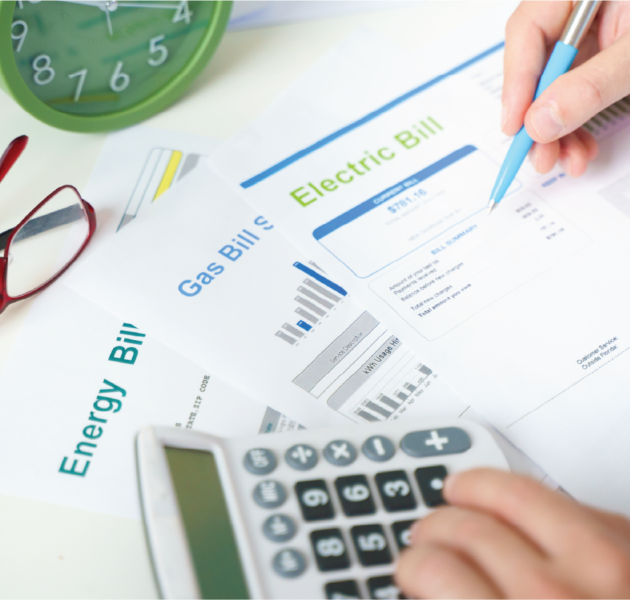
Yesterday afternoon, John Healey delivered his first Budget as Chancellor. The Budget included some welcome measures to ease pressure on households this winter. This included a £100 household energy payment for around 20 million households, an extension of the VAT cut on electricity bills, and measures to remove gas standing charges. A commitment of £430m over two years to help rough sleepers off the streets is a step towards security and better outcomes for people experiencing acute vulnerability and with multiple challenges in their lives.
Much of this support is temporary and not carefully targeted. The VAT cut ends in July 2027, and the energy payment is a one-off. This Budget recognises the pressures households are under across the UK, and the help this winter is welcome. But support only works if it reaches the people that really need it. A payment based on council tax bands, a VAT cut with an end date, and movement of gas costs from standing charges to unit rates will inevitably leave too many people still facing the same gap between the money coming in and what must then go out.
Looking beyond this winter, the Ofgem and government Energy Debt Circuit Breaker does recognise that bigger and bolder action is needed to tackle scale of the energy debt problem. This is much needed and very much welcomed.
The impact on households
The energy price shock that has arisen from the conflict in the Middle East has significantly increased the cost of living. The Institute for Fiscal Studies warned in its Green Budget that it “will squeeze households”. Earlier this year, the Resolution Foundation forecasted a welcome fall in child poverty in 2026–27. However, as much of this projected improvement is a result of temporary policy changes, their estimation is there will then be a steady rise.
At Auriga, we have supported over 413,000 people in the past financial year; we see every day the impact of this harsh economic environment on real people’s lives. Increasingly, the people we support have essential costs that exceed their income. With the continued increase in everyday costs, it is becoming more clear than ever to us that better budgeting can’t always fix this.
Our advisers are increasingly seeing people who are doing everything right and still falling short, because their income simply doesn’t cover the basics. That’s where advice matters most for people facing financial hardship, ensuring people receive every pound they’re entitled to, and to get help in early, before a difficult month turns into a crisis.
What the Budget delivered and what it didn’t do
This winter, around 20 million households in council tax bands A–D will receive a £100 energy payment to support their payments. It’s welcome help at the hardest time of year, but this is a temporary fix and a blunt tool. Council tax bands don’t directly provide a guide to need. Some low-income households will miss out, and people without a bank account or targeted by scams will need support.
The VAT cut on electricity will now run until July 2027, and the gas standing charge will be removed next year. Both should lower bills for many households, but for someone already in arrears, a VAT cut of around £50 a year will be a drop in the ocean. Historic energy debt won’t be impacted, and current bills will still be unaffordable, meaning further arrears will build. As the detail of the Energy Debt Circuit Breaker unfolds next year, there should be opportunities to begin to make a real difference for people.
The further £430m to keep people off the streets for everyone sleeping rough is an important commitment. For most tenants the pressures that may eventually lead to homelessness generally start earlier, with the gap between their rent and the help they receive towards it. Financial pressures combined with the other challenges that people face within their lives, such as mental or physical ill health, caring responsibilities and insecure employment can all mount up and compound each other. When people facing these pressures receive support to address the root cause of their financial and wider problems, it can prevent arrears from turning into eviction.
The Chancellor pledged not to “write off” young people out of work or disabled people, but the detail behind this commitment now waits on the Milburn and Timms reviews. For people living with long-term health conditions and for our young people, that means more months of uncertainty.
Fund services that create lasting impact
Much of the help in this Budget is short-term relief, and that crisis support is absolutely needed. But the longer-term questions, from housing allowances to disability benefits, have been deferred. Advice is too often funded the same way, through short-term grants that offer a quick fix. When the funding runs out, or the scheme ends, the issues compound. With the government spending £14bn more on debt interest this year, every pound of public money has to go further. Advice that supports financial hardship and prevents a crisis costs far less than responding to one.
The debt relief scheme planned for 2027, coupled with a focus on prevention, early identification and advice to build resilience, is a glimmer of hope for the future. The devil will, of course, be in the detail. Without sustained funding for prevention and resilience building support, much of the help announced this week risks not reaching the people it was meant for.